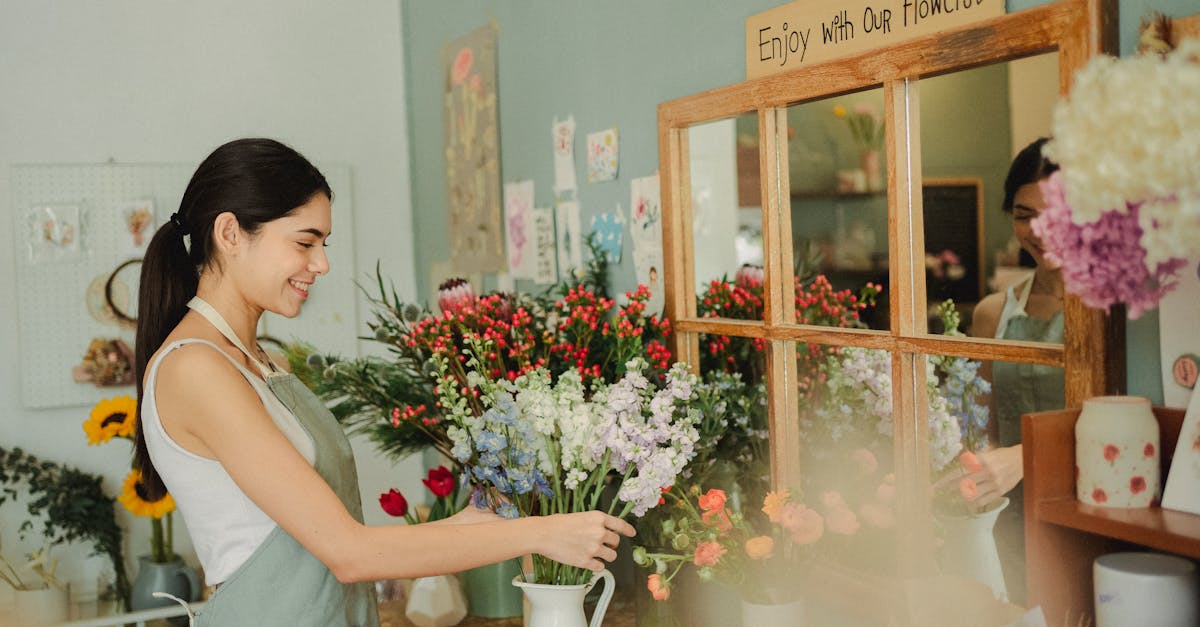
Exploring Contemporary Floral Design Trends and Techniques
Table Of Contents
Sustainable Practices in Floral Arrangement
The floral industry has seen a significant shift towards sustainability, with many designers prioritising eco-friendly materials and practices. Sourcing flowers locally reduces transportation emissions and supports local economies. Farmers adopting organic methods contribute to healthier ecosystems. Innovative techniques, such as using reclaimed water for irrigation and composting waste from arrangements, further enhance sustainability in floral design.
Incorporating sustainable materials is another essential aspect of modern floral arrangements. Designers are increasingly opting for biodegradable or recyclable containers. This choice not only aligns with environmental values but also encourages creativity in design. Emphasising seasonal blooms allows for natural variation and reduces reliance on imported flowers. Such practices not only benefit the planet but also resonate with consumers who seek an eco-conscious aesthetic in their floral choices.
Eco-Friendly Sourcing and Techniques
Choosing sustainable flowers is imperative for modern floral design. Many florists are increasingly opting for locally sourced blooms. This practice not only supports local economies but also reduces the carbon footprint associated with transportation. Seasonal flowers are in high demand, as they encourage designers to work with nature’s rhythm. By embracing native varieties, arrangements can reflect the local environment while providing unique aesthetics.
Incorporating eco-friendly materials into floral design is vital for reducing waste. Designers are now utilising biodegradable foam alternatives and recycled elements for structure and support. Additionally, using compostable packaging options helps minimise environmental impact. When it comes to vase choices, materials such as glass and reclaimed wood have gained popularity, as they offer both beauty and sustainability. These advancements not only enhance creative expression but also align with the growing consumer preference for environmentally conscious practices.
The Influence of Cultural Trends on Floral Design
Cultural trends have always played a significant role in shaping floral design, infusing arrangements with symbolic meanings and aesthetic preferences that reflect societal values. In recent years, there has been a notable rise in the incorporation of traditional motifs from various cultures into contemporary designs. This blending of styles often showcases unique colour palettes, specific flower choices, and arrangement styles that resonate with cultural heritage. As florists explore diverse cultural influences, they create arrangements that not only enhance visual appeal but also convey rich stories.
The exchange of ideas between cultures has led to innovative approaches in floral arrangements, where elements from disparate traditions come together to form captivating and original designs. The rise of multicultural celebrations and events has further amplified the demand for such fusion styles, encouraging florists to experiment with traditional techniques while also integrating modern elements. As a result, everyday floral displays and special occasion arrangements reflect a global tapestry of influences, appealing to a broader audience and enriching the overall floral design landscape.
Fusion Styles in Contemporary Arrangements
Globalisation has brought a rich tapestry of cultural influences into modern floral design. Floral artists are now blending traditional techniques from various regions, resulting in unique arrangements that celebrate diversity. For instance, the integration of Japanese Ikebana principles with the vibrant colours of Australian native flowers creates stunning pieces that resonate with multiple audiences. Such fusion not only showcases the beauty of different traditions but also encourages a dialogue between cultures, enriching the floral design landscape.
Incorporating elements from various styles allows designers to experiment with forms, structures, and colour palettes. Romantic elements from European floral traditions can harmoniously coexist with bold, abstract shapes influenced by contemporary art movements. This blending of styles encourages creativity and innovation, opening endless possibilities for personal expression. The result is an engaging experience for the viewer, as each arrangement tells a story that reflects both individual artist's vision and the broader cultural narrative.
Techniques for Creating Dynamic Floral Installations
Dynamic floral installations command attention through their striking visual impact. Layering is a key technique used to create depth and dimension. By employing various heights and arrangements, a sense of movement emerges within the display. Each layer can consist of contrasting colours and textures, enhancing the overall aesthetic. Additionally, unexpected elements such as branches or foliage can be integrated to add intrigue and balance.
Texturing further enriches installations, inviting viewers to engage with the arrangement on a deeper level. Combining flowers with different surface materials can evoke a tactile experience. For instance, velvety petals can contrast beautifully with the roughness of twigs or the smoothness of leaves. This interplay encourages a multi-sensory exploration, making installations not just visually appealing but also emotionally resonant. Utilising these techniques elevates any floral display into a dynamic work of art, well-suited for diverse occasions and settings.
Layering and Texturing in Flower Design
Layering and texturing play a crucial role in creating depth and interest in floral arrangements. By mixing different varieties of flowers, foliage, and other elements, designers achieve a sense of complexity that draws the eye. The choice of materials greatly impacts the final look; for example, pairing delicate blooms with robust, textured greenery can create a striking contrast. Using various heights and forms of flowers also enhances the visual experience, inviting viewers to explore the arrangement from different angles.
Incorporating unexpected elements further elevates the design. Items such as twigs, feathers, or even fruits may be added to create visual intrigue and introduce a sense of whimsy. The technique of layering not only influences aesthetics but also contributes to the overall feel of the arrangement. Whether aiming for a minimalist or an opulent look, understanding how to effectively layer and texture can transform simple floral displays into captivating works of art.
FAQS
What are some sustainable practices in floral arrangement?
Sustainable practices in floral arrangement include using locally sourced flowers, opting for seasonal blooms, and employing eco-friendly techniques such as minimal waste and biodegradable materials.
How can I source eco-friendly flowers for my arrangements?
You can source eco-friendly flowers by choosing local growers, looking for organic certifications, or purchasing from florists that prioritise sustainable practices and fair trade.
What cultural trends are currently influencing floral design?
Cultural trends influencing floral design include the fusion of traditional and contemporary styles, incorporating elements from diverse cultures, and the growing popularity of personalised arrangements that reflect individual stories or heritage.
What are fusion styles in contemporary floral arrangements?
Fusion styles in contemporary floral arrangements blend various design techniques and cultural influences, resulting in unique compositions that celebrate diversity and creativity in floral art.
What techniques can I use to create dynamic floral installations?
To create dynamic floral installations, you can employ layering and texturing techniques, vary the heights and lengths of flowers, and incorporate unexpected materials for added interest and depth.
Related Links
Creating Show-Stopping Floral Structures with ImpactAdvanced Wiring Techniques for Professional Floral Sculptures
Techniques for Achieving Balance and Proportion in Floral Design
Building Unique Floral Compositions through Layering
Designing with Foliage: Advanced Textural Techniques
Understanding Colour Theory in Advanced Floral Arrangements
The Secrets to Crafting Dynamic Floral Installations