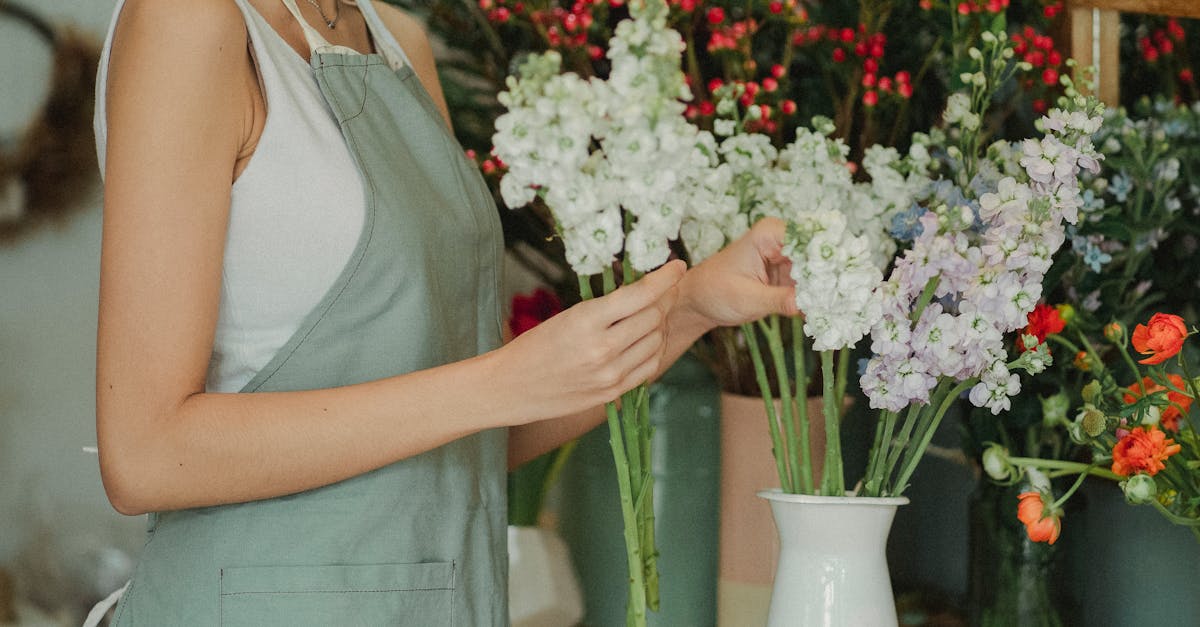
Exploring Local Flora: A Seasonal Approach to Flower Arranging
Table Of Contents
Winter Wonders
The beauty of winter's flora often goes unnoticed, yet it offers a unique palette for flower arranging. Evergreens dominate this season, providing rich tones and textures vital for creating striking displays. Pines, spruces, and firs not only add greenery but also a fresh scent that brings a touch of the outdoors inside. Berry-laden branches, such as holly or mistletoe, introduce a splash of colour that contrasts beautifully with the deeper greens.
Incorporating seasonal flowers like hellebores, winter jasmine, and camellias can elevate arrangements beyond the traditional evergreens. These blooms thrive in cooler temperatures, offering delicate hues amidst the stark backdrop of winter. Textural elements such as twigs or seed pods can create a more dynamic display, adding depth to arrangements. Emphasising local varieties nurtures a connection to the environment and reinforces the beauty found within Australia's diverse winter landscape.
Incorporating Evergreens and Foliage
Evergreens play a vital role in creating a lush and textured arrangement during the winter months. Their rich hues and varied shapes can provide a strong framework for floral designs. Pine, spruce, and cedar leaves are not only visually appealing; they also offer a delightful fragrance that enhances the sensory experience. Mixing different types of foliage, such as eucalyptus or ivy, can add depth to the arrangement while creating a striking contrast against brightly coloured winter blooms.
Utilising seasonal foliage allows for imaginative combinations that showcase the best of local flora. The array of textures and tones can inspire creativity, transforming simple arrangements into captivating displays. Incorporating interesting branches or twigs, like those from the bare winter trees, can further enhance the visual appeal. This practice not only highlights the beauty of the natural world but also creates a sustainable way to decorate, reflecting an appreciation for the seasonal landscape.
Techniques for Seasonal Arranging
Arranging flowers seasonally allows for creativity and innovation in design. Choosing blooms that reflect the colours and textures of their environment creates a cohesive feel. Different arrangements can highlight varying seasons by utilising distinctive forms and shapes. For example, autumn can lean on bolder hues and rustic elements, while spring may favour delicate petals and lighter tones. Understanding the characteristics of seasonal flowers will guide choices in both symmetry and style.
Effective techniques involve layering elements to create depth and visual interest. Begin with a sturdy base using larger foliage or blooms and then add smaller flowers for contrast. Consider varying heights to enhance the arrangement’s overall appeal. Different forms can be mixed to break monotony, leading to unique combinations that draw the eye. Don’t shy away from using unexpected materials like twigs or berries to add dimension. This approach not only elevates the arrangement but also connects it more closely to the season’s natural landscape.
Best Practices for Fresh Floral Displays
For creating vibrant floral displays, proper care of fresh flowers is paramount. Begin with selecting a clean vase that complements the flowers and doesn't detract from their beauty. Fill it with lukewarm water and add flower food to provide essential nutrients. Remove any leaves that may submerge, as they can foster bacterial growth. It is advisable to change the water every few days, ensuring the stems remain submerged to prolong the life of the blooms.
Arranging flowers involves consideration of colour, texture, and height to create a harmonious display. Start with a focal point, usually a larger or more striking flower, and build around it with varying sizes and types. Always consider the shape of the arrangement and the way it will be viewed from different angles. Regularly monitor the arrangement for wilting or browning leaves, removing them promptly to maintain overall freshness and aesthetic appeal.
Sustainable Sourcing
Understanding the principles of sustainable sourcing is essential for any flower arranging enthusiast. Choosing locally sourced materials not only supports the local economy but also minimizes the carbon footprint associated with transporting blooms over long distances. By selecting flowers and foliage that are in season and native to your area, you can ensure a fresher arrangement while also contributing to the preservation of regional biodiversity. This practice fosters a connection to the land and highlights the unique aesthetics of local flora.
Engaging in responsible harvesting practices is crucial for protecting natural habitats. When foraging for wildflowers or foliage, it is important to only take what you need and leave enough behind for wildlife and future growth. Familiarising yourself with the plants in your area helps to avoid overharvesting any particular species. Moreover, collaborating with local growers who prioritise sustainable techniques encourages a community ethos centred around environmental stewardship. This approach allows for a more responsible and ethical floral arrangement experience.
Harvesting Responsibly from Nature
Responsible harvesting is vital for maintaining the ecological balance of local environments. Before collecting any plant material, it's essential to identify the species and ensure that it is abundant in the area. Avoid overharvesting; only take what you need, leaving enough behind to sustain natural populations. This practice not only supports biodiversity but also allows others to enjoy the same resources.
When foraging, consider the impact of your actions on the ecosystem. Disturbing the soil and damaging surrounding plants can disrupt habitats. Use tools that minimize damage, such as sharp shears for cutting rather than pulling plants. By practising mindfulness and respect for nature, you contribute to the longevity of the flora you cherish, ensuring it thrives for future seasons.
FAQS
What types of flowers are best to use in winter arrangements?
In winter, you can incorporate evergreens, hellebores, winter jasmine, and native Australian varieties such as wattle and banksia for beautiful, seasonal arrangements.
How can I make my floral displays last longer?
To extend the life of your fresh floral displays, ensure to use clean vases, change the water regularly, and trim the stems at an angle before placing them in water. Adding floral preservative can also help.
What are some sustainable practices for sourcing flowers?
Sustainable sourcing includes choosing local flowers that are in season, avoiding imported blooms, and harvesting from your garden or reputable florists who prioritise eco-friendly practices.
Can I use foliage in my flower arrangements?
Yes, incorporating foliage is a great way to add texture and depth to your arrangements. Evergreen varieties like eucalyptus, ferns, and other native foliage can enhance the overall aesthetic.
What techniques should I use for seasonal flower arranging?
Techniques for seasonal arranging include creating a balanced composition by varying heights, using contrasting colours, and layering different textures. Experimenting with asymmetry can also create a more natural look.
Related Links
Unleashing Creativity: Seasonal Flower Arrangements Inspired by NatureThe Art of Seasonal Floral Design: From Garden to Arrangement
Designing for the Seasons: An Immersive Floral Workshop Experience
Seasonal Arrangement Masterclass: Techniques and Tips for Every Flower
Fresh Ideas for Seasonal Arrangements: Simple Techniques for Beginners
Winter Wonders: Seasonal Arranging with Native Australian Flowers
Summer Floral Extravaganza: Harnessing Seasonal Blooms for Unique Arrangements
Creating Autumn Vibes: Seasonal Flower Arranging Techniques