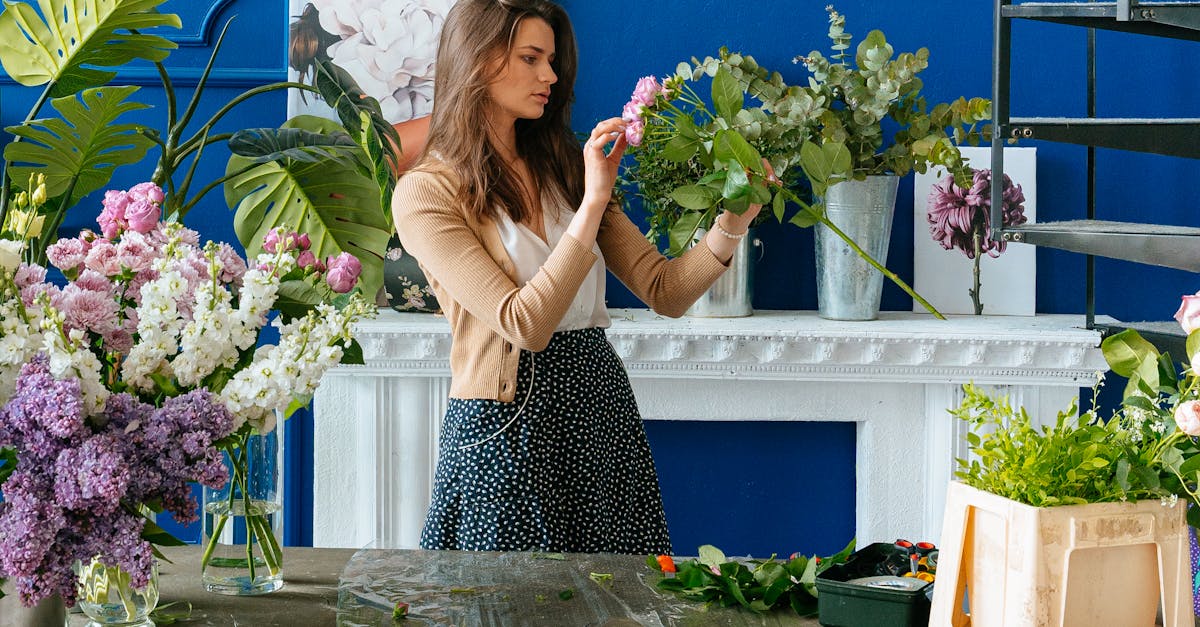
Incorporating Local Flora into Your Wedding Centrepiece Design
Table Of Contents
Sourcing Local Flora for Your Wedding
Choosing local flora for your wedding can enhance the theme while supporting the community. Various options are available, from native wildflowers to seasonal blooms that reflect the Australian landscape. Researching nearby farms or local growers provides an opportunity to discover unique plants that may not be available in commercial floral shops. Each region boasts its own array of species, contributing a distinctive flair to your centrepieces.
Connecting with local florists can streamline the process of sourcing native plants. These professionals often have established relationships with growers, ensuring the freshest selections while offering expert advice on which flowers complement each other. Discussing your vision allows florists to suggest arrangements that balance your aesthetic preferences with the local offerings. This collaboration not only brings sustainability to your celebration but also celebrates your area's natural beauty.
Finding Local Florists and Growers
Connecting with local florists and growers is essential for sourcing native plants for your wedding. Start by researching florists in your area who specialise in local flora. Look for reviews and testimonials that highlight their expertise in incorporating native elements into arrangements. Visiting local farmers' markets can also help you establish relationships with growers. They can provide insights into seasonal blooms and may even offer unique varieties not commonly found in stores.
Social media platforms can serve as a resource to discover florists who focus on sustainable practices and local sourcing. Engaging with local community groups online may lead to recommendations for reputable florists. Consider reaching out directly to growers to discuss your requirements and explore their offerings. Establishing these connections will not only support local businesses but also ensure your wedding decor reflects the beauty of the surrounding environment.
DIY Centrepiece Designs Featuring Local Plants
Creating your own centrepieces using local plants not only adds a personal touch to your wedding but also supports the environment and local growers. Consider selecting foliage and flowers that reflect the season in which your wedding takes place. Australian natives, such as eucalyptus, banksia, or wattles, can provide a richly textured and vibrant base for your arrangements. Mixing in seasonal blooms from your region will enhance the visual appeal, offering colours and fragrances unique to your local landscape.
Begin by gathering various elements, such as small vases or jars, and arrange your chosen plants in a way that draws the eye. Using different heights and textures will create depth and interest. You can complement your arrangements further with natural materials, like pebbles or timber slices, that echo the outdoor setting. Experiment with different layouts and styles, from minimalist designs to lush, abundant clusters, ensuring each centrepiece reflects your individual aesthetic and the overall theme of your wedding.
Step-by-Step Guide to Creating Your Own Arrangements
Begin by gathering all your materials. Collect a selection of local flowers, greenery, and any additional decorative elements you wish to include, such as twigs or stones. Be sure to have tools like floral scissors, a vase or vessel of your choice, floral foam if needed, and water. Having everything at hand will streamline the process and make the creative aspect more enjoyable.
Once you have everything prepared, the next step is to design your arrangement. Start with the greenery, laying it down as a base to establish shape and volume. Gradually add the flowers, focusing on balance and colour distribution. Different heights and textures will enhance visual interest. Remember to keep stepping back to assess the arrangement from various angles, allowing yourself to make adjustments until you are satisfied with the overall look.
Collaborating with Florists on Local Designs
When working with a florist, clearly discussing your vision for the wedding will help create stunning centrepieces that reflect your personal style. Sharing inspiration images, colour palettes, and specific local flora you wish to incorporate fosters a collaborative environment. Florists appreciate open communication as it allows them to bring their expertise to the table while ensuring your preferences are met.
It's also essential to allow florists the creative freedom to suggest complementary plants and arrangements. Their experience with seasonal blooms and local varieties can result in unique designs that you might not have considered. By building a relationship founded on trust and dialogue, you can achieve a beautiful aesthetic that aligns with both your vision and sustainable practices.
Communicating Your Vision Effectively
Once you have identified a florist to collaborate with, it's essential to articulate your vision in clear terms. Prepare a mood board illustrating your ideas, including colour schemes, types of flowers, and overall themes. Visuals can illuminate your preferences and make it easier for the florist to grasp your aesthetic goals. Encourage open dialogue, so your florist can share their expertise and suggest options that align with both your vision and the seasonal availability of local flora.
Be specific about any particular plants or colours that resonate with you. Discuss the atmosphere you wish to create for your wedding day. Providing context will help the florist understand your intentions and design something that feels personal and meaningful. Regular check-ins throughout the process can ensure that your vision remains aligned while allowing room for creativity in the final arrangements.
FAQS
What are the benefits of using local flora for wedding centrepieces?
Using local flora for wedding centrepieces supports local growers, reduces carbon footprint, and provides fresh, seasonal blooms that can enhance the overall aesthetic of your wedding.
How can I find local florists who specialise in native plants?
You can find local florists by searching online directories, visiting farmers' markets, or checking social media platforms for florists who showcase their use of local and native plants.
Can I create my own centrepieces using local plants?
Absolutely! Many couples choose to create their own centrepieces using local plants. With some basic supplies and a little creativity, you can craft beautiful arrangements that reflect your personal style.
What are some easy DIY centrepiece ideas featuring local flora?
Some easy DIY centrepiece ideas include using native wildflowers in mason jars, arranging succulents in rustic wooden boxes, or creating terrariums with local ferns and moss.
How can I effectively communicate my vision to a florist when collaborating on local designs?
To communicate your vision effectively, prepare a mood board with images that inspire you, outline your colour palette, and discuss any specific local plants you’d like to incorporate. Clear communication will help ensure your florist understands your desired outcome.
Related Links
How to Coordinate Centrepieces with Your Wedding Colour PaletteTips for Choosing the Perfect Centrepiece for Your Wedding Style
Creative Centrepiece Arrangements That Use Alternative Containers
Glamorous Centrepieces That Enhance Your Wedding Reception Ambience
Timeless Centrepiece Designs That Will Delight Your Guests
Unique Themes for Wedding Reception Floral Arrangements
Elegant Reception Centrepieces for Modern Weddings in Blackwood