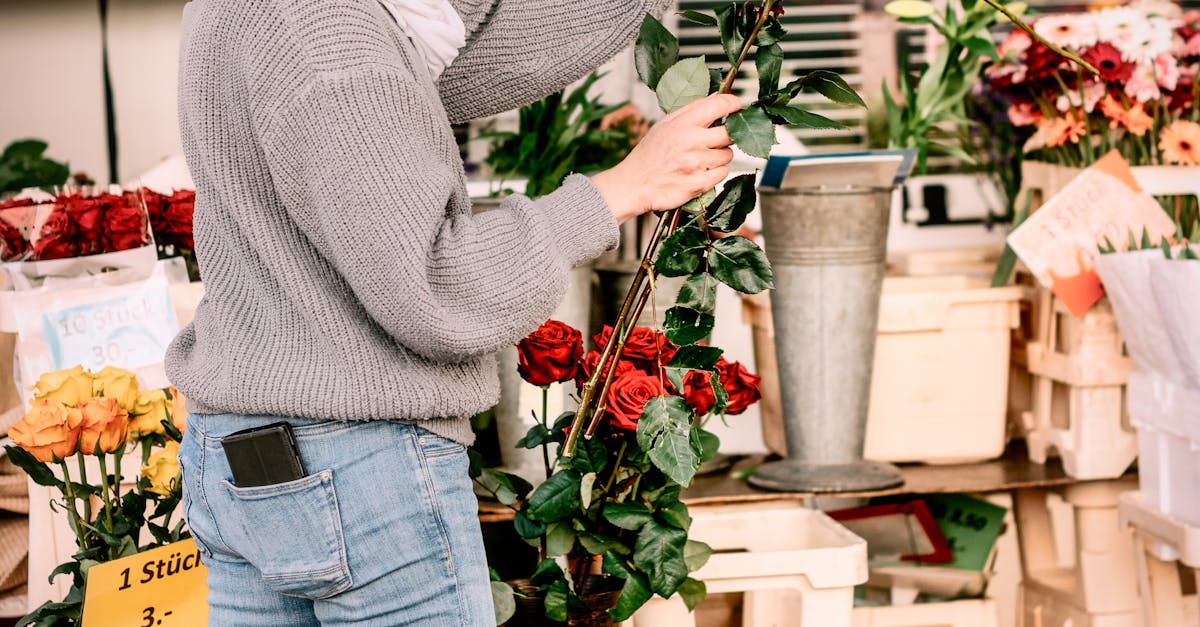
Summer Vibrance: Tips for Capturing the Essence of Seasonal Blooms
Table Of Contents
Experimenting with Angles and Perspectives
Capturing the beauty of seasonal blooms requires a thoughtful approach to angles and perspectives. Traditional eye-level shots can often miss the intricate details that make flowers special. By crouching low to the ground or shooting from above, photographers can reveal captivating textures and patterns. This not only adds depth to the image but also creates a fresh perspective that can surprise viewers. Experimentation with different vantage points encourages creativity and can transform even the most ordinary subject into a striking composition.
Utilising natural surroundings can enhance the floral experience in your photographs. Incorporating elements like leaves, branches, or even other flowers into the frame can provide context and depth. Shooting through objects, such as grasses or petals, can create a dreamy, layered effect, adding intrigue to the image. Rather than sticking to conventional framing, consider cropping tighter to isolate specific blossoms or including wide shots to showcase their habitat. Each new angle offers an opportunity to tell a different story about the same flower, inviting viewers to see the world of flora in diverse ways.
Unique Viewpoints to Enhance Your Floral Shots
Finding unique angles can dramatically change the mood and depth of floral photography. Shooting from a low perspective can transform a simple flower into a giant subject, providing a sense of grandeur that typically goes unnoticed. Alternatively, climbing above and capturing flowers from a bird's-eye view can create a beautiful tapestry of colours and shapes. Experimenting with these unconventional viewpoints not only highlights the flowers but also adds an artistic flair to your images.
Incorporating surrounding elements can also enrich your floral shots. Including a blurred background with complementary colours can enhance the primary subject while providing context. Consider framing your blooms with natural elements like leaves or branches to create layers, adding intrigue to the composition. This technique allows for a visual story that captures the essence of the environment, making your floral photography more engaging and memorable.
Post-Processing Tips for Vibrant Photos
Editing a floral photograph can enhance its vibrancy and allure. Start by adjusting the saturation and vibrancy settings, focusing on the specific colours of the blooms while ensuring the greens remain natural. Increasing contrast can also help by emphasising the petals' textures and details, adding depth to the image. Experimenting with highlights and shadows allows for a more dynamic range, which can make the flowers pop against their backgrounds.
Consider using selective editing tools to enhance certain areas of the image. A subtle increase in sharpness can bring out delicate details, while a gentle blur on the background can create a pleasing bokeh effect. Adding a slight vignette draws attention to the centre of the frame, guiding the viewer’s eye toward the subject. Every adjustment should aim to maintain the photo’s integrity, ultimately keeping it true to the vibrant essence of the original scene.
Editing Techniques to Enhance Flower Colours
Adjusting saturation can significantly breathe life into floral images. When enhancing flower colours, be cautious not to overdo it. A moderate boost can reveal the vividness of petals without creating unnatural hues. Additionally, tweaking the vibrance can selectively enhance muted tones in your image, allowing you to maintain a natural look while still showcasing the beauty of the blooms.
Utilising contrast helps to make flower colours pop. By increasing contrast, you highlight the differences between light and shadow areas, resulting in a more dynamic photograph. Experimenting with the clarity slider can also bring out the texture of the petals, adding depth to your images. Fine-tuning these elements can turn a flat photo into a striking representation of seasonal blooms.
Telling a Story Through Your Images
Floral photography goes beyond merely capturing a beautiful bloom; it invites viewers to experience a moment in time. Each image can evoke emotions and memories, highlighting the rich narratives behind each flower. Consider the environment surrounding your subject. An unkempt garden can tell a tale of neglect, while a well-tended plot might suggest care and love. By including elements that contextualise the bloom, photographers can engage the viewer’s imagination and encourage them to ponder the story each flower may hold.
Incorporating human elements can further enrich the narrative. A hand gently cradling a blossom or a person immersed in a floral setting can draw attention to the connections we share with nature. This human touch adds depth and suggests an interaction that speaks volumes. Whether it is the joy of picking flowers or the solace found in a botanical haven, these subtle hints contribute layers to the story. A well-captured moment can transform a simple photograph into a vivid tale, inviting viewers not only to see but also to feel and connect.
Creating a Narrative with Floral Photography
Using floral imagery can evoke a sense of emotion and tell a compelling story. Each bloom holds a unique significance, reflecting various themes such as love, loss, or renewal. By carefully selecting your subjects and incorporating elements that resonate with a narrative, you can create a connection between the flowers and the story you wish to convey. Positioning flowers alongside evocative props or settings can add layers to your narrative, inviting viewers to interpret the image in their own way, making the photograph more engaging.
Incorporating human elements or environmental contexts into your floral photography can further enrich the narrative. Consider capturing a gardener tending to their blooms, or a child interacting playfully with flowers, to suggest themes of nurture and innocence. These layers offer depth and a relatable context, transforming a simple flower shot into a poignant moment. This approach not only enhances the aesthetic appeal but also invites an emotional response from your audience, allowing them to immerse themselves in the story behind each blossom.
FAQS
What are some effective angles to use when photographing flowers?
Experimenting with different angles, such as shooting from above, below, or at eye level, can provide unique perspectives that enhance the composition of your floral shots.
How can I improve the vibrancy of flower colours in my photos?
Post-processing techniques such as adjusting the saturation, contrast, and brightness can help enhance the colours of your flowers, making them appear more vibrant and true to life.
What is the importance of storytelling in floral photography?
Telling a story through your images adds depth and context, allowing viewers to connect emotionally with the flowers, which can enhance the overall impact of your photography.
Are there specific editing tools or software recommended for floral photography?
Popular editing software like Adobe Lightroom and Photoshop offer powerful tools for enhancing flower colours and details, making them ideal for floral photography.
Can I capture the essence of seasonal blooms without advanced photography skills?
Absolutely! By focusing on composition, lighting, and simple editing techniques, even beginners can capture the beauty of seasonal blooms effectively.
Related Links
Elevating Your Floral Design with Seasonal Australian FlowersAutumn's Palette: Creating Beautiful Arrangements with Fall Blooms
Eco-Conscious Seasonal Flower Arrangements for a Greener Choice
The Art of Combining Seasonal Flowers and Foliage
Spotlight on Local Flora: Seasonal Flower Arrangements in Blackwood
How to Choose Seasonal Flowers for Optimal Freshness
Seasonal Themes: Designing Floral Arrangements for Every Month
The Ultimate Winter Garden: Arranging Flowers for Cold Months