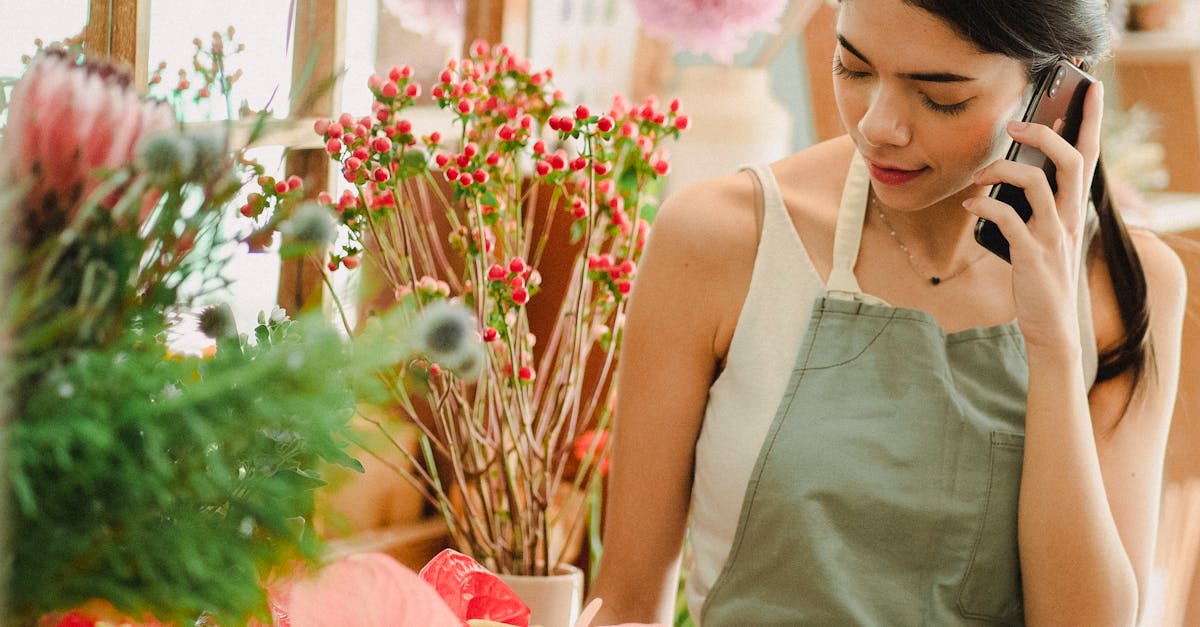
Textured Touches: Mixing Foliage and Flowers for Unique Bouquets
Table Of Contents
Seasonal Considerations for Foliage and Flowers
Choosing the right foliage and flowers according to the season can significantly enhance the overall aesthetics of a bouquet. In spring, vibrant blooms like tulips and daffodils pair beautifully with lush, fresh greens. Summer brings a burst of colours with sunflowers and zinnias, allowing for a cheerful and lively arrangement. Autumn showcases rich hues like deep reds and oranges with foliage such as maple or oak leaves adding depth and texture. Winter, although typically characterised by more muted shades, offers unique options such as holly and eucalyptus that bring a fresh twist to festive arrangements.
Being mindful of seasonal availability allows for more sustainable choices. Local markets often provide an array of blooms and leaves that reflect the season, ensuring quality and reducing the carbon footprint associated with importing exotic varieties. Gardens in bloom throughout the year can also serve as a great source for unique elements to incorporate into your bouquet. Freshly cut stems from your backyard can provide a personal touch and were tuned to the local climate, making them ideal for your arrangements.
Aligning with Nature's Calendar
Understanding the seasonal availability of various flowers and foliage can significantly enhance the creativity of floral arrangements. Each season brings its own array of blooms, with autumn showcasing rich tones and textures that inspire warm and earthy creations. In spring, vibrant colours and fresh greens emerge, ideal for bright and lively bouquets. Selecting flowers and foliage that naturally grow during the current season not only ensures their freshness but also creates a harmonious connection to the environment.
Incorporating local and seasonal elements into your arrangements promotes sustainable practices, benefiting both the florist and the ecosystem. Visiting local markets or flower farms can provide insights into what is currently thriving. This approach not only cultivates authenticity in your designs but also encourages a deeper appreciation for the cyclical nature of flora throughout the year. Making choices in alignment with nature’s calendar results in visually stunning arrangements that reflect the beauty of their seasonal context.
Techniques for Arrangement
Creating visually appealing arrangements requires a thoughtful approach to the selection and placement of foliage and flowers. Begin by conditioning your stems. Trim them at an angle to enhance water absorption. Consider the overall balance of the bouquet. Larger blooms often serve as focal points, while smaller flowers can fill gaps. Layering different textures and heights adds depth, making the arrangement more dynamic. Experiment with the placement of foliage to create movement, positioning some leaves behind blooms while allowing others to cascade.
Varying the colour palette can also enhance your arrangement’s appeal. Using complementary or analogous colours creates cohesion without overwhelming the viewer. Don’t shy away from incorporating unexpected elements like dried fruits or feathers; these can provide interest and surprise. Pay attention to scale, ensuring that all items harmonise together rather than competing for attention. Regularly step back and assess your work from a distance to ensure the arrangement maintains a natural and cohesive flow.
Tips for Achieving a Natural Look
Embrace the beauty of asymmetry when arranging your bouquet. Natural arrangements often feature irregular shapes, which create a sense of movement and organic flow. Begin by selecting your key focal flowers and placing them in a somewhat scattered manner. This can prevent the arrangement from looking too structured or forced. Additionally, varying the height of your elements will enhance the bouquet’s visual appeal, adding depth and intrigue.
Incorporating different textures is essential for achieving a lifelike bouquet. Pair delicate flowers with bold foliage or unique stems to create contrast. The use of seasonal blooms and locally sourced greenery can enhance the bouquet's authenticity. Choose colours that complement each other rather than match perfectly, as this will result in a more relaxed and natural look.
Adding Unique Elements
Exploring unconventional materials can breathe new life into bouquet design. Consider integrating unexpected elements such as feathers, twigs, or even dried fruits. These unique touches not only enhance visual interest but also introduce rich textures that elevate the overall composition. Incorporating locally sourced items can foster a connection to the environment, providing a more personalised touch.
Integrating unusual colours can also create striking contrasts. Think about adding metallic accents with painted leaves or using vibrant, unexpected flower varieties. This approach allows for creative expression and can reflect seasonal themes or personal style. Playing with different shapes and sizes among your flowers and foliage will add depth and movement, creating an engaging bouquet that invites closer inspection.
Incorporating Unexpected Textures
Adding unique textures can elevate a bouquet from the ordinary to the extraordinary. Consider incorporating elements such as twigs, dried grasses, or even feathers. These items create visual interest and tactile contrast, complementing the softness of petals and the lushness of greens. The combination of different textures not only enhances the aesthetic appeal but also tells a story, reflecting the natural beauty of the surroundings.
Incorporating unexpected materials opens up limitless creative possibilities. Succulents can introduce a modern edge, while seedpods or berries can add playful touches. Each element should harmonise with the overall design, ensuring that the bouquet feels cohesive yet dynamic. Utilizing alternative textures invites a sense of discovery, transforming a simple arrangement into a work of art.
FAQS
What are the best seasons for mixing foliage and flowers in bouquets?
The best seasons for mixing foliage and flowers typically align with the availability of fresh blooms and greenery. Spring and summer offer a wide variety of options, while autumn can provide rich colours and textures. Winter arrangements often rely on evergreen foliage and preserved elements.
How can I ensure my bouquet aligns with nature's calendar?
To align your bouquet with nature's calendar, consider using seasonal flowers and foliage. Research which plants are in bloom during a specific season in your area, and select those that complement each other for a harmonious and naturally inspired arrangement.
What techniques can I use to create a natural look in my floral arrangements?
To achieve a natural look, use asymmetrical designs, vary the heights of your flowers and foliage, and incorporate different textures. Avoid overly structured arrangements and aim for a free-flowing style that mimics the organic growth patterns found in nature.
What unique elements can I add to my bouquets to make them stand out?
Unique elements can include unexpected textures such as feathers, berries, or even dried fruits. You can also consider incorporating unusual foliage types, such as ferns or succulents, to add visual interest and depth to your bouquet.
How does the texture of foliage affect the overall bouquet design?
The texture of foliage significantly impacts the overall design by adding dimension and contrast. Combining smooth, glossy leaves with rough or fuzzy foliage can create a visually appealing balance, drawing attention to the flowers and enhancing the bouquet's aesthetic.
Related Links
Personalised Perfection: Customising Bouquets to Reflect Your StyleStatement Flowers: Bold Bouquets for the Fearless Bride
Whimsical Wonders: Playful Designs for the Creative Bride
Sustainable Choices: Eco-Friendly Options for Bridal Bouquets
Seasonal Splendor: Matching Your Bouquet to the Season
Vintage Vibes: Crafting Retro-Inspired Bridal Bouquets
Romantic Blush: Designing the Perfect Soft-Coloured Bridal Bouquet