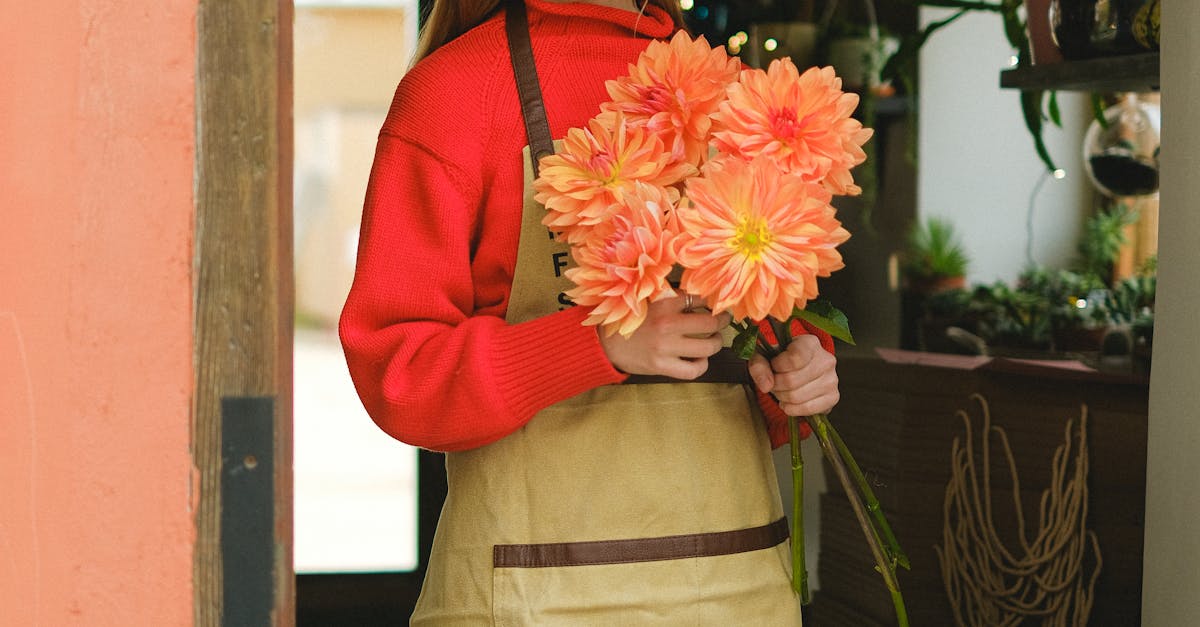
Tips for Crafting Your First Bouquet with Confidence
Table Of Contents
Adding Foliage and Greenery
Incorporating foliage and greenery into your bouquet is essential for creating a balanced and visually appealing arrangement. Greenery adds depth and texture, which can enhance the overall aesthetic of your flowers. Options like eucalyptus, ferns, or various types of herbs not only serve as a backdrop but also complement the brighter blooms. These elements can help to create a cohesive look that ties the entire bouquet together.
When selecting foliage, consider the shape and colour in relation to your chosen flowers. Lighter greens can brighten up darker blooms, while darker foliage can ground more vibrant flowers. Using foliage wisely can create contrast and highlight specific elements of your design. Remember, greenery doesn't just fill space; it can also convey meaning and enhance the emotional impact of your bouquet.
The Role of Foliage in Bouquets
Foliage plays an essential role in floral arrangements, adding depth and texture to bouquets. Greenery not only provides a beautiful contrast against vibrant blooms but also enhances the overall aesthetic appeal. Different types of leaves can introduce various shapes and colours, creating a more dynamic arrangement. Using foliage wisely can draw attention to the flowers themselves, allowing them to shine while also bringing a sense of balance and harmony.
Incorporating greenery can also improve the longevity of a bouquet. Foliage can offer a natural structure that supports the flowers, helping them maintain their form. Moreover, certain leaves, like eucalyptus or ferns, have been known to carry fragrances that complement the overall sensory experience. The thoughtful selection of foliage can elevate a simple bouquet into a stunning centerpiece, making it a crucial consideration in the design process.
Maintaining Freshness
Ensuring flowers stay fresh is essential for a beautiful bouquet. Start by trimming the stems at an angle before placing them in water. This allows for better water absorption and extends the flowers' lifespan. Using clean tools and containers reduces the risk of bacteria, which can quickly spoil the blooms.
Changing the water every two days keeps it clear and oxygenated. Adding floral preservative to the water can also significantly enhance the vitality of your arrangement. Keep the bouquet away from direct sunlight and heat sources to prevent wilting, helping those vibrant colours last longer.
Tips for Proper Care and Handling
Freshness is key to a beautiful bouquet. Start by trimming the stems at an angle before placing them in water. This allows for better water absorption, crucial for keeping flowers vibrant. Ensure you remove any leaves that will be submerged, as they can promote bacterial growth, which can diminish the lifespan of your arrangement. Use a clean vase, and consider adding floral preservative to the water to help nourish your blooms.
Changing the water every few days can extend the life of your bouquet significantly. Give the stems another trim during these water changes to help them continue to drink effectively. Keep the bouquet away from direct sunlight and heat, as these can cause the flowers to wilt more rapidly. Checking the water level regularly ensures that your bouquet stays hydrated and fresh.
Personalising Your Bouquet
Creating a bouquet that feels unique often involves adding personal touches. Consider incorporating flowers that hold special meaning, such as those that remind you of a loved one or a cherished memory. Including a favourite bloom or a flower native to a significant place can infuse your arrangement with sentimentality. Additionally, consider pairing these flowers with accents like ribbons or charms that echo your style or represent a milestone in your life.
Texture and colour play essential roles in personalising your bouquet. Experiment with varying shades and types of foliage to create depth and character. A combination of soft, delicate flowers with bold, vibrant ones can reflect your personality perfectly. When arranging, take the time to play around with the layout until the design resonates with you. This is an opportunity to express your creativity and individuality, making your bouquet not just a collection of flowers but a reflection of who you are.
Incorporating Sentimental Elements
Crafting a bouquet that holds personal meaning can elevate its beauty. Consider using flowers that resonate with special memories. For example, select specific blooms reminiscent of treasured moments shared with loved ones or significant dates. Adding elements like a handwritten note or a small charm can also enhance personal connections, making the bouquet more than just an arrangement.
Incorporating colours that carry emotional weight is another way to customise your creation. Choose shades that signify joy, love, or comfort based on your unique experiences. Including dried flowers or foliage from a cherished location adds another layer of sentimentality. These thoughtful touches transform the arrangement into a heartfelt tribute, rather than just a decorative piece.
FAQS
What types of foliage should I consider adding to my bouquet?
Common choices for foliage include eucalyptus, ferns, and ivy, as they add texture and depth while complementing the flowers.
How can I ensure my bouquet stays fresh for longer?
To maintain freshness, keep your bouquet in water, change the water regularly, and trim the stems at an angle before placing them in a vase.
What are some personal touches I can add to my bouquet?
You can incorporate sentimental elements like family heirloom ribbons, flowers with special meanings, or even personal notes attached to the bouquet.
How do I choose the right flowers for my first bouquet?
Consider seasonal flowers that are readily available, and choose a mix of colours and shapes that reflect your personal style for a balanced look.
Is there a recommended way to arrange the flowers in my bouquet?
Start with a base of greenery, then add the larger flowers, followed by smaller blooms and accents, ensuring a natural flow and balanced composition.
Related Links
The Art of Flower Arrangement: Basic Techniques RevealedFrom Garden to Vase: How to Source Local Flowers
Colour Theory in Floral Design: A Beginner's Guide
Understanding Flower Care and Conditioning Techniques
Seasonal Blooms: Choosing the Right Flowers for Your Arrangements
Creating Stunning Floral Arrangements on a Budget
Designing Simple Yet Elegant Centrepieces for Beginners
Mastering the Basics of Floral Design for Beginners
Essential Tools Every Beginner Florist Should Have