Understanding the Role of Flowers in Sympathy Gestures
Table Of Contents
Choosing the Right Floral Arrangement
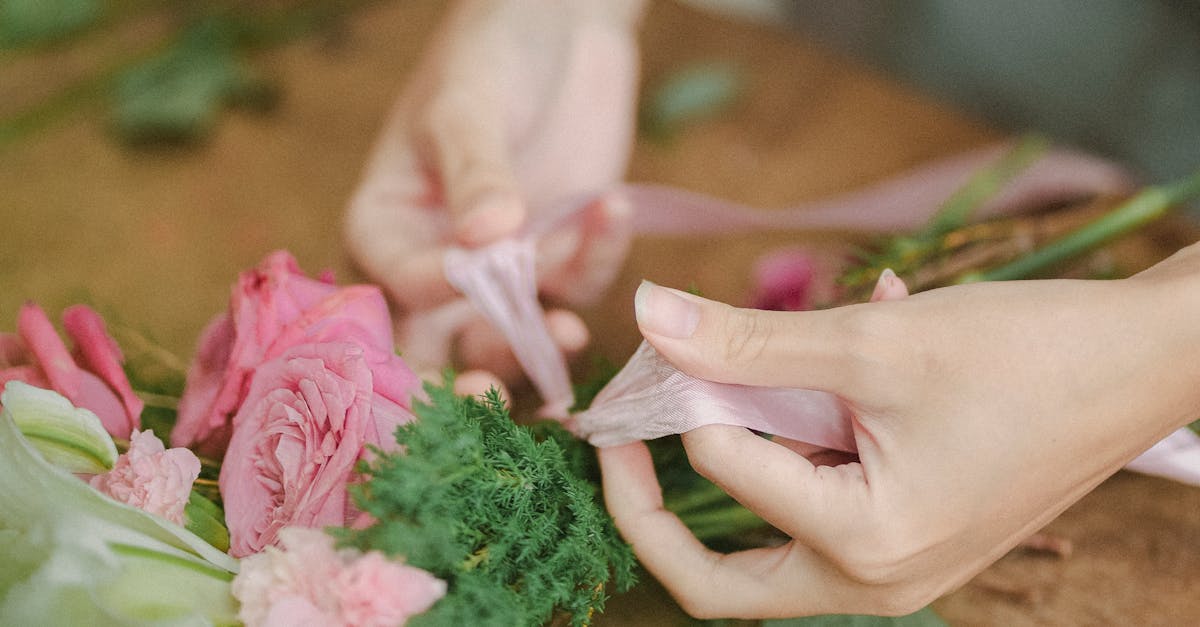
When selecting a floral arrangement for a sympathy gesture, consider the preferences and personality of the recipient as well as the situation at hand. Traditional choices often include lilies, roses, and carnations, as they are seen as symbols of love, purity, and remembrance. Additionally, opt for arrangements with soft colours to create a calming effect. Each flower carries a specific meaning, so understanding these can help convey the right emotions.
Presenting flowers in an appropriate style is equally essential. A simple bouquet may provide a heartfelt gesture, while larger arrangements can serve as beautiful centrepieces for memorials or wakes. It's important to think about the setting where the flowers will be displayed, ensuring they resonate with the atmosphere of support and solace. Always factor in the practicality, such as the delivery method and timing, to ensure the flowers arrive fresh and in good condition.
Tips for Selecting the Best Bouquet
Selecting a bouquet for a sympathy gesture involves thoughtful consideration. Neutral tones such as white, cream, and soft pastels can embody the feelings of peace and serenity. Flowers like lilies, roses, and chrysanthemums are often associated with remembrance and can evoke a sense of comfort. It’s beneficial to choose arrangements that reflect the personality of the recipient or the departed. Incorporating seasonal blooms can also help in ensuring the bouquet feels fresh and relevant.
Personalisation can elevate the gesture. Adding a handwritten note expressing your condolences or a shared memory creates a deeper connection. Understanding the recipient's preferences is crucial; if they have favourite flowers or colours, including them can add a meaningful touch. Additionally, considering the size of the arrangement is important; a smaller bouquet can be more appropriate for a home setting, while larger arrangements might suit a memorial service. The thoughtfulness in these choices can significantly impact how the gesture is received.
The Emotional Impact of Sending Flowers
Flowers often hold profound significance during times of grief. Their beauty and scent can evoke memories and emotions that words sometimes cannot express. Each bloom carries its own symbolism, resonating differently with individuals. For many, receiving flowers provides a tangible reminder that others are thinking of them, offering a sense of connection and understanding. This small gesture can bring comfort, allowing the grieving to feel less isolated in their sorrow.
The act of sending flowers serves as a supportive gesture that transcends customary communication. In moments of loss, physical tokens can act as a bridge between friends and family, showing care in a time when solace is desperately needed. The act of giving flowers encourages shared reflection, creating an opportunity for memories and stories to be shared, fostering emotional healing. Such gestures often linger in the memory, providing warmth during the difficult journey of mourning.
How Flowers Convey Comfort and Support
Flowers often serve as a poignant reminder of love and support during difficult times. The colours and fragrances can evoke feelings of warmth and solace, providing a tangible expression of empathy. Each bloom conveys a unique message; for instance, lilies symbolise purity and peace, while roses express love and admiration. The thoughtful selection of flowers aligns with the sentiments intended, reinforcing the emotional connection that friends and family feel towards one another during periods of grief.
Receiving a floral arrangement can uplift spirits and offer a sense of comfort. The mere presence of flowers in a space can brighten an atmosphere, alleviating some sorrow associated with loss. Sending flowers is not just a gesture; it acknowledges the pain and signifies solidarity. In moments where words may fall short, flowers articulate compassion and understanding, bridging the gap between heartache and healing.
Caring for Sympathy Flowers
Maintaining the freshness of sympathy flowers requires attention and care. Place the arrangement in a cool, shaded area away from direct sunlight. Water the bouquet regularly, ensuring the stems remain submerged and the water level is adequate. Trim the stems at an angle every few days to enhance water absorption. Removing any wilted blooms or leaves also helps to prevent bacterial growth, prolonging the life of the arrangement.
Using a floral preservative can further support the longevity of your flowers. This solution provides essential nutrients and reduces the growth of bacteria in the water. If a preservative is not available, a simple mixture of sugar and vinegar can serve as a suitable alternative. Regularly changing the water in the vase is crucial, as it keeps the flowers hydrated and healthy. Taking these steps allows the arrangement to convey its intended message of comfort and support for an extended period.
Ensuring Longevity and Freshness
Sympathy flowers serve as a powerful symbol of support during difficult times. To ensure they remain fresh and visually impactful, proper care is crucial. Placing the arrangement in a cool area away from direct sunlight can significantly prolong its lifespan. Additionally, changing the water regularly helps to keep the flowers hydrated and nourished, preventing bacteria from building up.
Trimming the stems at an angle before placing them in water enhances their ability to absorb moisture. This small step can make a noticeable difference. Removing any wilting or dead leaves from the arrangement also contributes to the overall health of the flowers. By following these simple care tips, the floral display can provide ongoing comfort and beauty during mourning.
FAQS
What types of flowers are most appropriate for sympathy gestures?
Common choices for sympathy flowers include lilies, roses, chrysanthemums, and orchids, as they are often associated with peace and remembrance.
How can I choose the right floral arrangement for a sympathy gesture?
Consider the preferences of the recipient, the occasion, and the message you want to convey. Simple, elegant arrangements often work best for sympathy gestures.
What should I include in a note when sending sympathy flowers?
A heartfelt message expressing your condolences, support, and any shared memories can be meaningful. Keep it simple and sincere.
How long do sympathy flowers typically last?
With proper care, most sympathy flowers can last anywhere from 5 to 14 days, depending on the type of flowers and the conditions they are kept in.
What is the best way to care for sympathy flowers?
Change the water regularly, trim the stems at an angle, and keep them in a cool, shaded area to ensure their longevity and freshness.
Related Links
Top Flower Choices for Funeral TributesCrafting Elegant Casket Sprays: A Guide
Arranging Seasonal Blooms for Sympathy Services
How to Select Appropriate Flowers for Funerals
The Importance of Colour in Sympathy Floral Arrangements
Creating Personalised Sympathy Bouquets