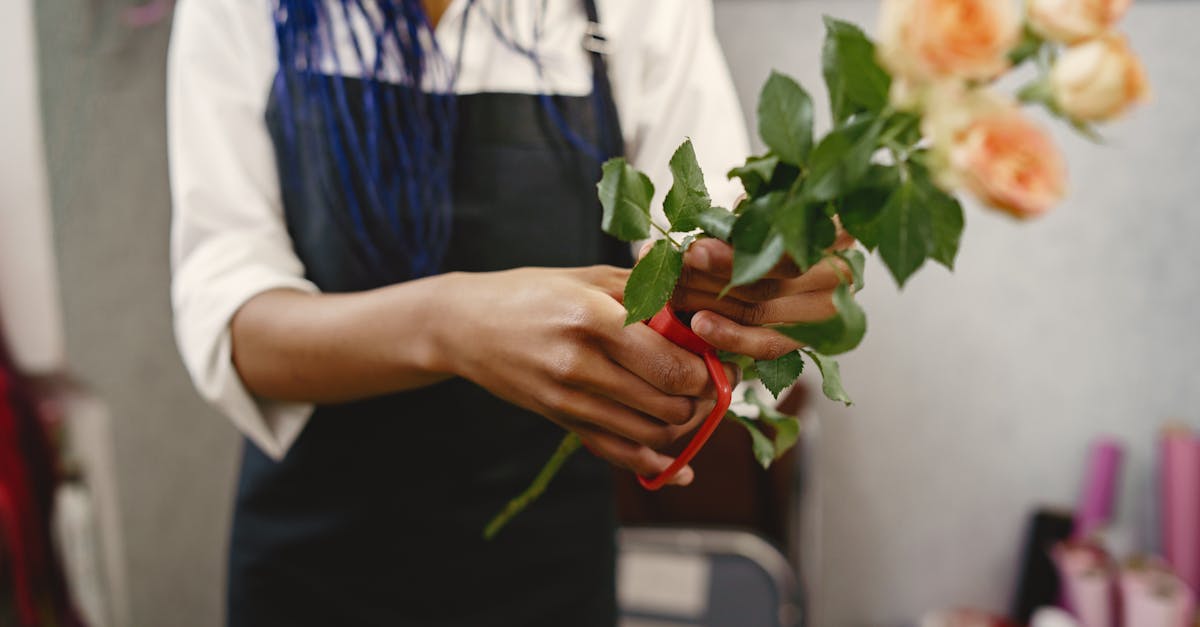
Mastering Spring Blooms: A Hands-On Class in Seasonal Flower Arrangements
Table Of Contents
Tips for Long-Lasting Arrangements
Choosing the right flowers plays a crucial role in the longevity of any arrangement. Select fresh blooms that exhibit vibrant colours and firm petals. Opt for seasonal flowers wherever possible, as these tend to have a longer vase life. Additionally, consider maintaining a mix of hardy and delicate varieties to create visual interest while ensuring that less resilient flowers do not wilt too quickly.
Properly preparing the flowers before arranging them significantly enhances their lifespan. Trim the stems at a diagonal angle to increase water absorption. Remove any foliage that would fall below the waterline to prevent rot and bacterial growth. Placing the flowers in clean vases filled with fresh water and updating this every few days helps to keep them hydrated and extends their beauty.
Proper Care and Maintenance
Maintaining your flower arrangements ensures their beauty lasts longer. Start by keeping the vase clean. Bacteria can thrive in stagnant water, leading to wilting and decay. Washing the vase with hot, soapy water before each new arrangement can significantly reduce the chance of contamination. Change the water in your vase every couple of days, trimming stems diagonally to allow better water absorption.
Light exposure plays a vital role in the life of your flowers. Place arrangements in a spot that receives indirect sunlight. Prolonged exposure to direct sunlight can lead to rapid wilting and fading. Additionally, keep flowers away from drafts, heating vents, or ripening fruits. These elements can cause stress, leading to quicker deterioration. Ensuring the right environment is key to preserving the vibrancy of your spring blooms.
Techniques for Flower Conditioning
Proper conditioning of flowers significantly enhances their lifespan and vibrancy. Start by trimming the stems at an angle using sharp scissors or pruning shears. This increased surface area allows for better water absorption. After trimming, remove any leaves that would be submerged in the water. Leaves in water can promote bacterial growth, ultimately affecting the flowers' health. Immerse the stems in clean, room-temperature water to initiate the conditioning process.
Once the flowers have soaked for a few hours, consider adding flower food to the water. This nutrient blend supplies essential sugars and preservatives that prolong freshness. Keep the arrangements away from direct sunlight and heat sources, as these can cause wilting or premature aging. Regularly check the water level and change it every few days to maintain a clean environment for your blooms. Following these techniques ensures your floral arrangements remain stunning throughout their display.
Preparing Flowers for Optimal Longevity
To ensure flowers maintain their beauty for as long as possible, it's essential to prepare them properly before arranging. Begin by trimming the stems at an angle. This action increases the surface area for water absorption, which is crucial for hydration. Remove any leaves that may fall below the waterline in your vase, as submerged foliage can lead to bacterial growth and shorten the flowers' lifespan.
Using fresh, clean water is equally important. It is advisable to add flower preservatives, which contain essential nutrients and prevent bacterial growth. When filling your vase, be sure to change the water every few days, refreshing the cut ends of the stems to promote optimal water uptake. By combining these practices, your flowers will thrive much longer, enhancing the overall beauty of your seasonal arrangements.
Exploring Different Arrangement Styles
Seasonal flower arrangements can take many forms, each reflecting different aesthetics and purposes. Bouquets are a popular choice, ideal for gifting or brightening personal spaces. They can range from wildflower bunches to more structured, elegant styles. Centrepieces serve as focal points for dining tables or events, often designed to complement the surrounding decor. Exploring various styles allows for creativity and a personal touch in design.
Different arrangements also highlight the versatility of flowers. Minimalistic designs focus on a few key blooms, letting their beauty shine without excess foliage. In contrast, lush, abundant arrangements create a sense of opulence and vibrancy. Understanding these styles helps enthusiasts cater their selections to specific occasions, ensuring each design resonates with its surroundings while showcasing the season’s best offerings.
From Bouquets to Centerpieces
Skillful arrangement transforms ordinary blooms into stunning creations. Bouquets serve as personal statements, showcasing individual styles and preferences. Shorter stems and tighter groupings often yield a more compact look, ideal for intimate settings. Opting for a mix of various textures and heights can add depth and visual interest to the arrangement.
Centerpieces require a slightly different approach, as they must be viewed from all angles. Utilizing larger, statement flowers in combination with greenery allows for a striking yet balanced design. It is essential to consider the vessel’s size and shape when designing these pieces, ensuring they complement the surrounding decor. Height and scale play a critical role in making these focal points effective in any space.
FAQS
What types of flowers will be used in the class?
The class will focus on a variety of seasonal spring blooms, including popular choices like tulips, daffodils, and peonies, as well as some unique local varieties.
Do I need any prior experience to attend the class?
No prior experience is necessary! The class is designed for all skill levels, from beginners to those with some floral arrangement experience.
What materials should I bring to the class?
All materials, including flowers, tools, and containers, will be provided. However, feel free to bring any personal tools you prefer to use.
Will there be opportunities to ask questions during the class?
Absolutely! The class will be interactive, and participants are encouraged to ask questions at any point during the session.
How long is the hands-on class?
The class typically lasts around three hours, allowing plenty of time for demonstrations, hands-on practice, and Q&A sessions.
Related Links
Creating Autumn Vibes: Seasonal Flower Arranging TechniquesDesigning for the Seasons: An Immersive Floral Workshop Experience
Seasonal Arrangement Masterclass: Techniques and Tips for Every Flower
Unleashing Creativity: Seasonal Flower Arrangements Inspired by Nature
Exploring Local Flora: A Seasonal Approach to Flower Arranging
The Art of Seasonal Floral Design: From Garden to Arrangement